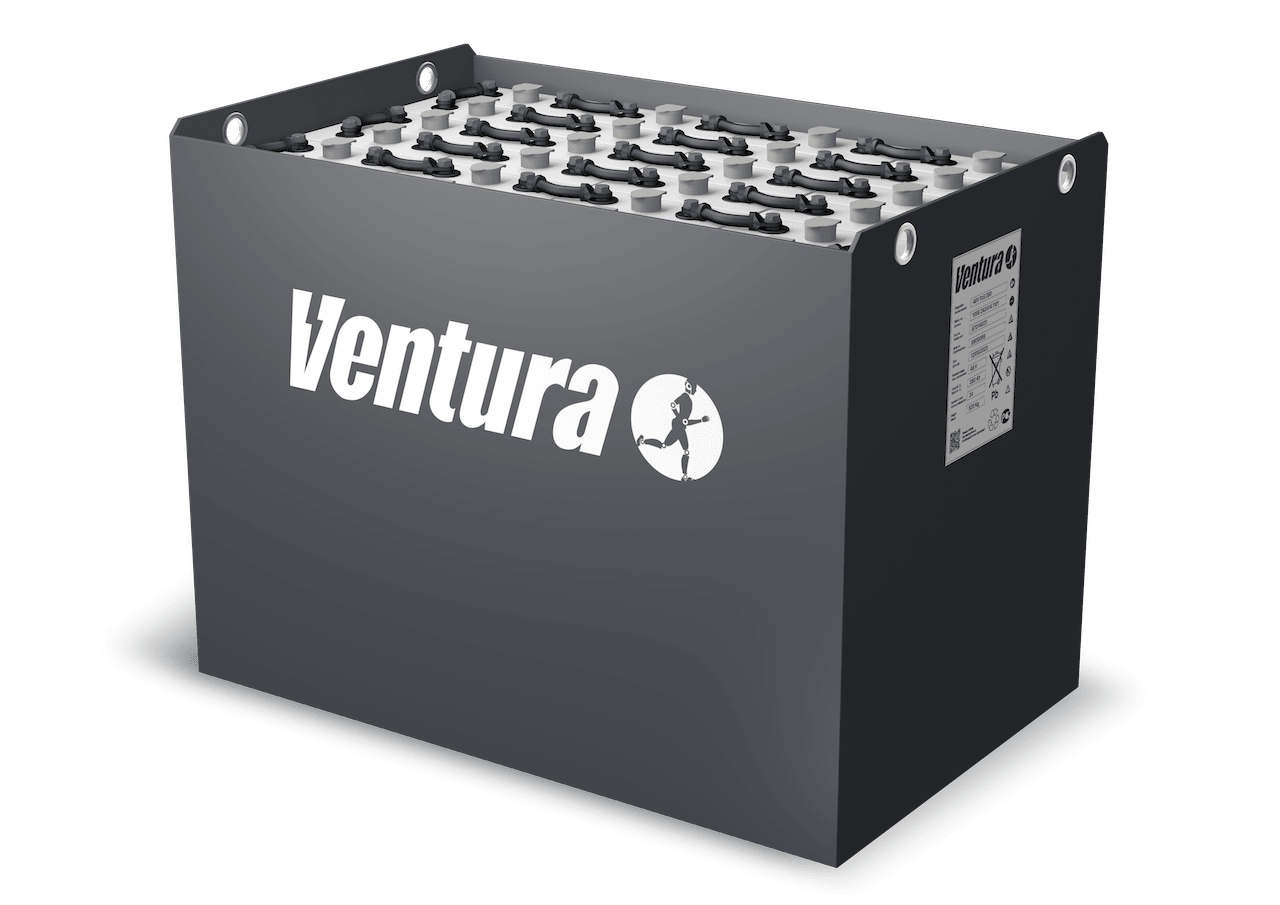
Traction batteries: types, design, and operating principles


 12 min read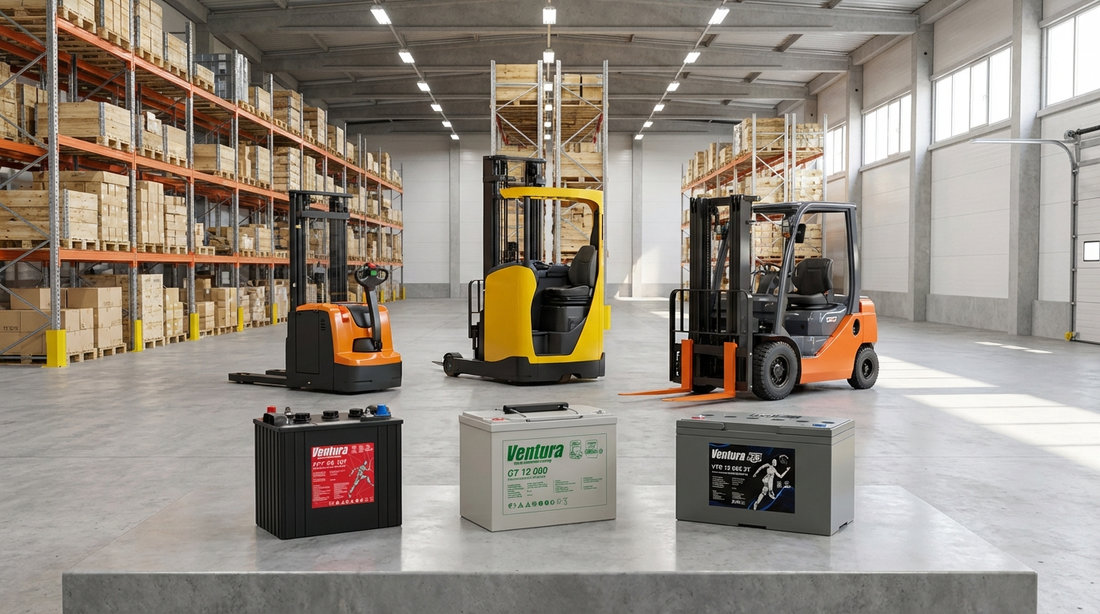
Traction batteries are electrochemical devices designed to provide energy to electric vehicles and industrial equipment. The special design of these batteries is designed for high discharge and charge loads, making them optimal for intensive operations: moving loads and operating lifting devices, which are increasingly used in warehouse equipment, boats and light electric vehicles. In such devices, the power source has to supply energy for a long time during multiple discharge-charge cycles, work under the influence of vibrations and sometimes in an unfavorable environment.
In the article we will analyze what a traction battery is, how it works, what types of such batteries there are, what characteristics to compare models with and how to operate them without losing their service life.
What is a traction battery and how does it differ from a starter battery?
The starter battery is designed to supply a very high current for a short time (starting the engine) and be immediately recharged from the generator. The traction battery is designed for long-term discharge with moderate currents, regular deep cycles, but not more than the maximum permissible discharge depth of 60-80%, and resistance to vibrations.
According to GOST R 71456-2024/IEC TS 61044:2021, the maximum discharge depth of traction lead-acid batteries is 80% for open-type batteries (SKABO) and 60% for sealed batteries with control valves (SKABG), unless otherwise specified by the manufacturer. The standard applies to lead-acid traction batteries and establishes requirements for in-service recharging of batteries (IOC) when the manufacturer has not provided specific operating procedures for this purpose.
Practical differences:
- Plate design. The starter battery uses thin plates with a large area (high starting current, poor resistance to deep discharges). The traction system has thicker/tubular plates, reinforced separators and housing (cycle life).
- Operating mode. Starter motors are designed for a short peak current. Traction batteries are designed to operate for a long time on current, often up to 60-80% of the discharge depth.
- Resource. Starter batteries are designed for thousands of short charge-discharge cycles with a shallow depth of discharge. Traction batteries are designed for hundreds and even thousands of complete charge-discharge cycles at a greater depth of discharge. The specific lifespan depends on the battery chemistry and the target depth of discharge.
Design and principle of operation of a traction battery
The battery pack of a traction battery is formed from cells connected in series. For lead-acid systems, the voltage of one cell is 2V, for lithium iron phosphate (LiFePO4) - about 3.2V. The nominal battery voltage (12/24/36/48/80/72 V, etc.) is determined by the number of cells connected in series. The useful capacity is determined by the amount of active material and the area of the plates (for lead) or the configuration of the cells (for LiFePO4), as well as the permissible discharge depth.
During discharge, chemical reactions in the cells provide a flow of electrons in the external circuit. When charging, the same reactions go in the opposite direction and restore the active components. The charging algorithm depends on the chemical composition of the battery:
- Lead-acid traction batteries. They use a three-stage IUoU profile: first charging with a given current (I), then limiting the voltage until the end-of-stage criterion is reached (U), then maintaining a floating voltage (U).
- Lithium iron phosphate batteries (LiFePO4). In this case, the CC/CV profile is used: a stage of constant current (Constant Current) to the target voltage, then holding a constant voltage (Constant Voltage) with a decrease in current until the shutdown threshold. Operation is controlled by the built-in BMS (Battery Management System), which controls currents/voltages, monitors temperatures and performs protective shutdowns when parameters exceed acceptable limits.
Main types of traction batteries
There are several types of traction batteries:
- Lead-acid fillers (FLA, OPzS). Maximum resistance to long-term discharges and overloads, heavy weight, mandatory maintenance (level, density), ventilation during charging, resistance to cold.
- Lead acid AGM. The electrolyte is absorbed in the glass fiber. Maintenance-free, low gas emission, vibration resistant, convenient for indoor use.
- Lead-acid GEL (including OPzV). Gel-like electrolyte, good service life for long-term discharges with moderate currents, sensitive to overcharging.
- Lithium-ion (mainly LiFePO4). High cyclic life, low weight, fast charge, high efficiency, stability under load. They are demanding on temperature precisely at the charging stage and on the compatibility of charging equipment.
Key Features: What to Look for?
Before choosing a battery, determine what voltage your system requires, what current and how long the battery should supply energy, at what temperatures it will operate, and whether there are restrictions on weight and dimensions. After this, compare the models using their passports.
The rated voltage must match the controller or drive (operating voltage: 12/24/36/48V). Compare the capacity correctly - with the same discharge duration (for example, according to C20 or C10). And most importantly, evaluate how the battery holds your operating current. The resource is determined by the number of charge-discharge cycles at a given discharge depth: the deeper you discharge the battery, the fewer cycles you will get, and vice versa. The permissible charge and discharge currents are also important, since they determine the recovery rate and the ability to withstand short-term load peaks.
Pay attention to internal losses (voltage sag and heat), temperature tolerances and maintenance requirements. Lead-acid batteries lose available capacity in the cold and require more careful charging control. Lithium iron phosphate batteries are generally lighter and more stable under load, but charging in sub-zero temperatures is generally prohibited.
Be sure to check compatibility with your charger. For lead-acid, a three-stage algorithm with a support voltage is required; for lithium-ion, a mode with current limitation and subsequent holding of a constant voltage is required. Temperature compensation and status sensors will be available in any configuration.
Purpose and scope of application of traction batteries
Traction batteries are widely used in the following types of equipment:
- Floor-mounted trackless transport (self-propelled wheeled vehicles designed for transportation, towing, stacking cargo and loading and unloading operations).
- Warehouse equipment (forklifts, stackers, reach trucks, electric carts, etc.).
- Municipal and cleaning equipment (scrubber/sweeper machines, golf carts, etc.).
- Water transport and tourism (electric boat motors, trolling modes, on-board boat networks, etc.).
- Light electric vehicles (utility platforms, ATVs, special trailers with drive, etc.).
Operating rules and service life
To preserve the resource and stability of the battery, you must adhere to the following operating rules:
- Charger compliance. The profile and voltage must match the battery chemistry. Incorrect parameters lead to sulfation in lead or cell degradation in lithium.
- Temperature. Maintain operating ranges in accordance with the data sheet.
- Discharge depth. Keep the average shock depth at a moderate value and avoid regular deep discharges.
Before putting the battery into operation, perform a starting test and record its results in the protocol. During operation, periodically inspect the terminals and check the tightening torque, check the voltage on the batteries and the temperature of the elements under load.
The service life of traction batteries depends on the specific series, discharge depth and operating temperature. Flooded lead-acid batteries provide several hundred to several thousand cycles at a moderate depth of discharge. AGM/GEL - about 500-1200 or more cycles. Lithium iron phosphate batteries - approximately 2000-6000 or more cycles, subject to temperature and electrical restrictions.
Checking the compliance of the traction battery with GOST can be carried out according to the manufacturer's instructions. We list some standards that relate to traction batteries and contain requirements for their testing and control:
- GOST R IEC 62485-3—2020. The standard states the need for regular inspection of the traction battery to ensure its safe operation. Any signs of battery deterioration should be noted and corrected, especially in the case of electrolyte leakage and insulation damage.
- GOST R IEC 62928—2021. The standard sets requirements for traction lithium-ion batteries. It refers to the need to check or monitor the condition of the insulation, such as measuring the insulation resistance. The check can be performed periodically by visual inspection or automatically.
- GOST R 52846-2007 (IEC 60254-1:2005). The provisions of the standard apply to lead-acid traction batteries and monoblock batteries that are used as power sources for electric motors. It establishes the main characteristics of devices and methods for their determination.
Conclusion: how to choose a traction battery
Formulate the initial requirements: system voltage, operating current and target battery life. Select the battery type based on these conditions. Next, check the battery’s compatibility with your charger and controller: charge/discharge current limits, voltage levels and charging algorithm.
Be sure to take into account the conditions of use - ventilation, moisture protection, temperature conditions and vibrations. Finally, consider the total cost of ownership: price, cycle life, maintenance requirements, and charging/replacement costs. This procedure ensures a technically correct choice of traction battery with predictable autonomy and service life.
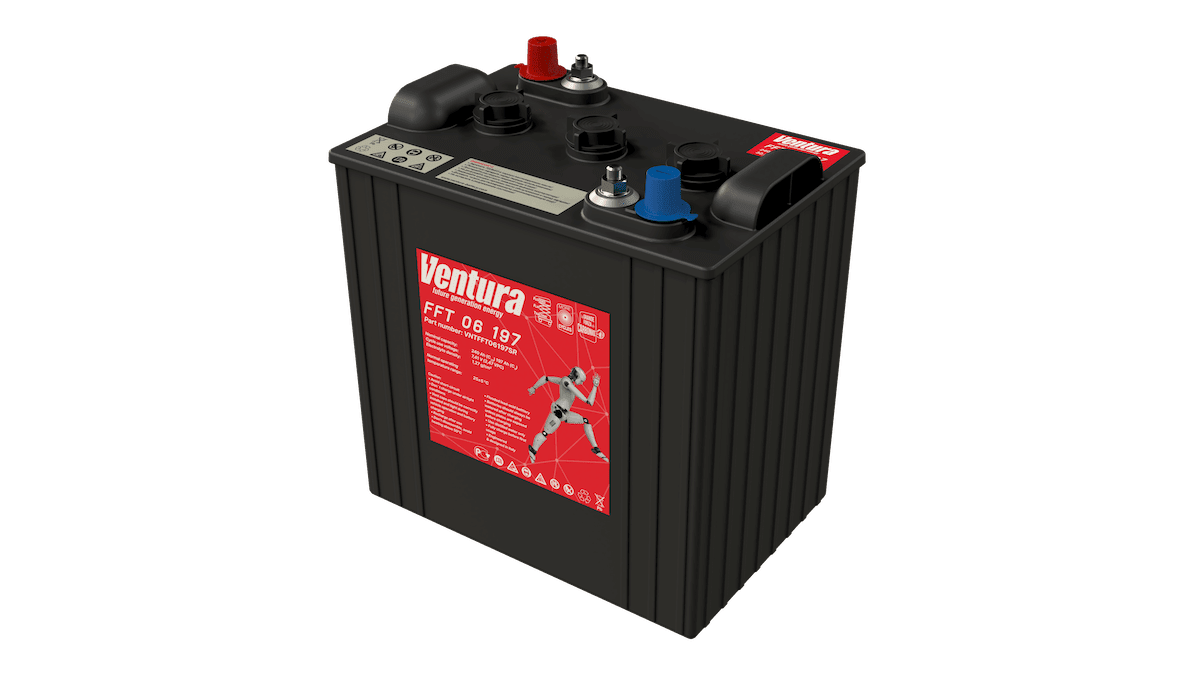
FFT (Flooded Flat Traction)
Learn more
FFT
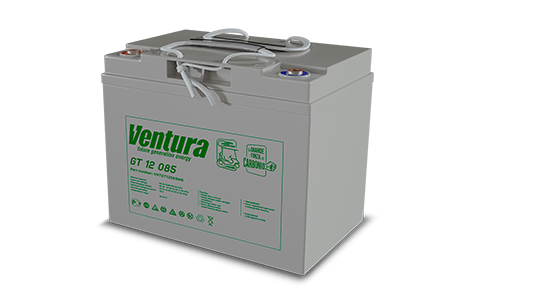
GT (General Traction)
Learn more
GT
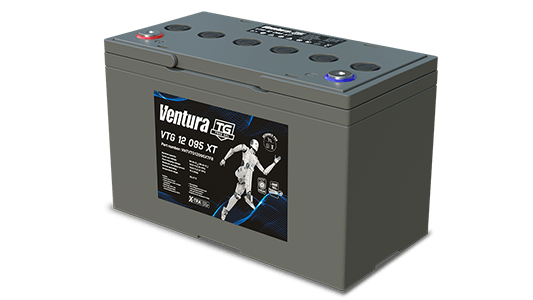
VTG XT (Ventura TRUE GEL X-TRA)
Learn more
VTG XT
PzS/PzB
Learn more
PzS PzB