Lead-acid or lithium battery: comparison and selection


 10 min read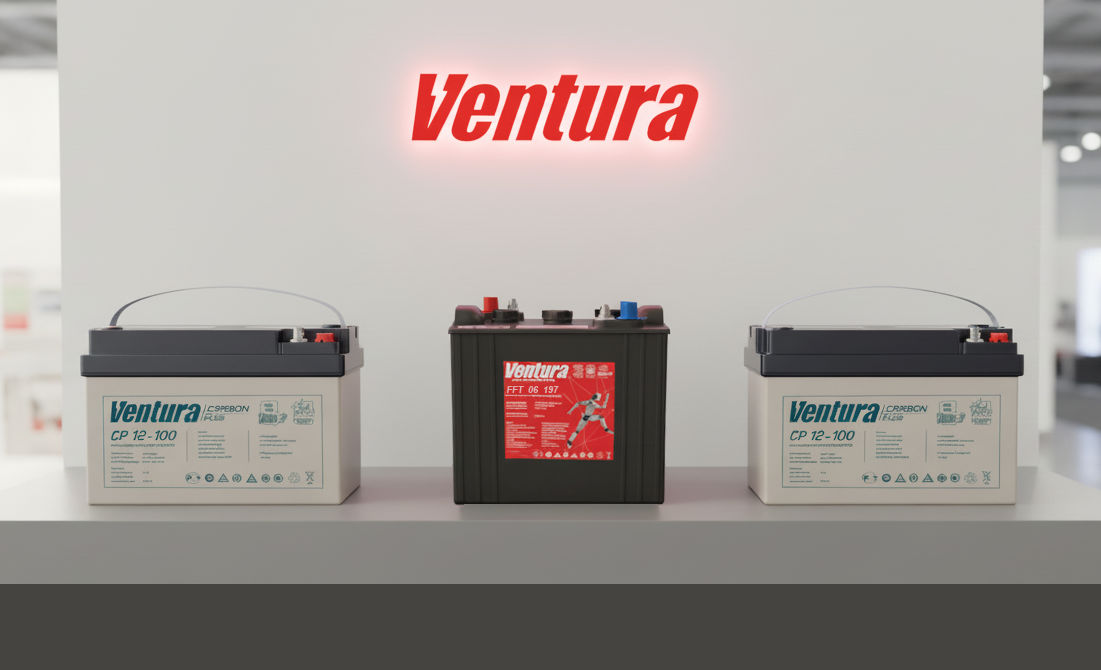
The design and chemical composition of a battery determines its weight and dimensions, available power, service life, safety requirements and maintenance costs. We have prepared a detailed comparison between lead-acid and lithium-ion batteries.
What are lead acid batteries?
The basis of lead-acid batteries is a body, lead grids, active mass and electrolyte (sulfuric acid solution). Batteries are divided into two types:
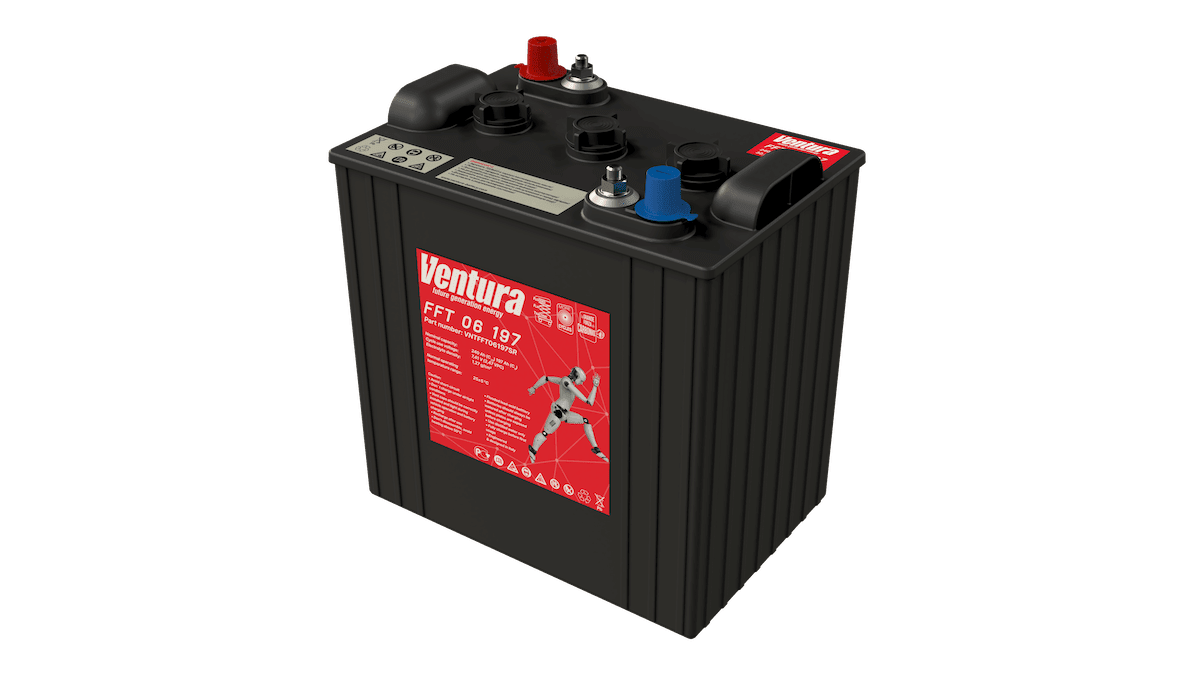
- FLA (battery is completely filled with liquid electrolyte). Maintenance with topping up water is required, ventilation is required. They are used in traction equipment, cars and industrial facilities.
- VRLA (sealed). There are two options: AGM (electrolyte absorbed into a fiberglass separator) and GEL (electrolyte thickened to a jelly-like state). Maintenance in this case is minimal. VRLA batteries are widely used in UPSs of various capacities, telecommunications and backup power systems.
What are lithium-ion batteries?
Family of lithium intercalation batteries (NMC, NCA, LFP/LiFePO₄, etc.) with built-in BMS (management system). They are characterized by high specific energy, efficiency and a large number of operating cycles. Requires charging with the correct voltage and current settings appropriate for this battery.
Technical differences (design and modes)
Key parameters that directly affect the weight and dimensions of batteries, available depth of discharge, charging speed, behavior at low or high temperatures:
- Specific indicators. Lithium-ion batteries are lighter and more compact than lead-acid batteries with the same capacity, but require additional built-in or external electronics for operation.
- Permissible charge-discharge range. Lithium-ion batteries allow deep discharges (usually 80-90% DOD) without a sharp drop in service life. For lead acid, it is more practical to keep 30-50% DOD with frequent cycling.
- Charge speed. Lead-acid batteries charge longer (several hours before full recovery), lithium-ion batteries charge faster, and their charge efficiency is higher.
Temperature
Lead-acid batteries are resistant to recharging at low temperatures (with voltage adjustment). Lithium-ion batteries generally cannot be charged below 0°C without heating and special algorithms. At high temperatures, both types of batteries degrade faster and their service life is shortened.
Performance Metrics
Performance metrics that make it useful to compare lead-acid and lithium-ion batteries:
- Cyclic resource. Lead batteries: ~300-1200 cycles (depending on the series and depth of discharge). Li-ion batteries (especially LFP): ~2000-6000+ cycles at 80% depth of discharge.
- Efficiency of energy expended during charging. This figure for lead batteries is ~80-90%, for lithium-ion batteries ~92-98%.
- Energy return. AGM High-Rate are designed for high currents in short intervals (UPS mode for 10-15 minutes). This gives less voltage drop and stable energy output. Lithium-ion batteries provide high discharge and charging currents with less voltage drop.
- Self-discharge. Lead batteries lose ~3-5%/month at 20 °C, lithium-ion batteries approximately 1-3%/month.
- Service. FLA require topping up, VRLA and lithium-ion batteries do not (but periodic monitoring of connections and condition is always required).
Cost Analysis
It is important to evaluate not only the purchase price, but also the costs over the entire service life:
- Capital costs. Lead-acid batteries are cheaper per kWh when purchased.
- Cost of ownership. For frequent and deep cycles, lithium-ion batteries are more profitable: more operating cycles, higher efficiency, less downtime - lower cost of ownership. For backup power with rare cycles of use, moderate weight and volume requirements typically Lead-acid batteries are more profitable due to their low price, safety and reliability.
Environmental Impact and Safety
Lead batteries have a high proportion of recyclable components and number of points available. The infrastructure for recycling lithium-ion batteries is actively developing, but has not yet reached the same level.
When charging lead-acid batteries, hydrogen is released, so ventilation (artificial or forced air) is needed. In case of spillage, the electrolyte is corrosive and protective equipment is required. Lithium-ion batteries can experience thermal runaway when damaged or overcharged, so correct charger settings, a working BMS, and equipment that meets safety requirements are required.
Comparison table
For clarity, we have summarized the main parameters of lead-acid and lithium-ion batteries in a table.
| Criterion | Lead acid batteries | Lithium-ion batteries |
|---|---|---|
| Specific energy | Low | High |
| Cycle life (at 80% DOD) | ~300-800 (AGM/GEL), higher for special series | ~2000-6000+ |
| Allowable discharge depth | 30-50% to extend the resource or up to 80% occasionally | 80-90% without severe damage to resource |
| Charge/discharge efficiency | ~80-90% | ~92-98% |
| Charging time | Longer, about 8 hours up to 90% | Faster, about 1 hour to 100% |
| Low temperature operation | Operation down to minus 40°C is allowed with proper charge and discharge depth | Charge <0°C limited/not possible without preheating |
| Peak support | AGM High-Rate is good for 5-10-15 min. | Stable peaks, less drawdown |
| Maintenance | FLA - required. VRLA - minimum | Minimum (BMS control) |
| Purchase price | Lower | Higher |
| TCO during active cycle | Higher (due to replacement/loss) | Lower (resource/efficiency) |
| Recycling | Developed infrastructure | At the initial stage of development |
| Operation stability/reliability | High (no electronics) | Average (presence of BMS) |
Pros and cons of lead-acid and lithium-ion batteries
The advantages of lead-acid batteries are lower purchase costs, wide availability of standard sizes, ease of integration, high recycling rate, and absence of electronic components. Disadvantages - large weight and dimensions, lower service life with frequent use, lower efficiency, longer charge.
The advantages of lithium-ion batteries are high specific energy, long cycle life, high efficiency, fast charging, and current flexibility. Disadvantages - higher price, increased requirements for compatibility and safety, restrictions on low-temperature charging.
What to choose?
This depends on the required battery life, operating conditions, weight or size restrictions. Typical battery requirements:
- Short autonomy (10-30 minutes). AGM High-Rate is preferred: high energy at short intervals, compatible with standard UPSs, easy service.
- Long autonomy (hours), moderate currents, elevated temperatures. Consider standard AGM, GEL, or lithium-ion batteries. AGM and GEL batteries are appropriate when compatibility with existing charging parameters and increased temperature resistance are required. Lithium-ion - when resource and energy efficiency are important.
- Frequent cycles. Lithium-ion batteries (especially LFP) typically provide the lowest cost of ownership.
- Strict restrictions on weight and volume. In this case, it is wiser to choose lithium-ion batteries. With the same energy reserve, they are significantly lighter and more compact, which simplifies installation in racks and cabinets, and mobile installations.
- Low temperatures without heating. More practical are lead-acid batteries (with correct charging and ventilation settings) or lithium-ion batteries with heating and appropriate control.
To choose a suitable battery, first determine the requirements for energy and power, battery life, and temperature range. Then determine the operating profile - reserve (rare operations) or frequent cycles, the planned discharge depth.
The next stage is budget assessment. Compare the purchase price and the expected cost of ownership (resource, efficiency, downtime). Next, check the compatibility - charging settings, BMS and interface support, rated voltage of the battery pack. It is also important to check the dimensions and weight, installation and safety requirements (ventilation, access, circuit protection).
Conclusion
If the key criteria are a minimum budget, infrequent use cycles, low temperatures and simplicity of design, then lead-acid batteries are a rational choice. If high cycling, compactness and energy efficiency are important, with correct integration, lithium-ion batteries have the advantage. The right decision is one that takes into account the operating mode, safety requirements and the total cost of battery ownership, and not just the purchase price.