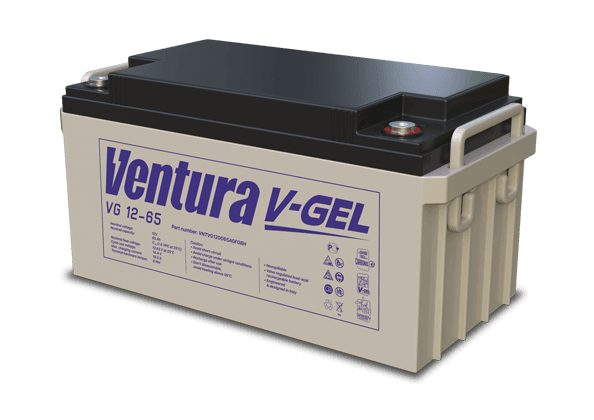
Stationary batteries: types, design, and service life


 4 min read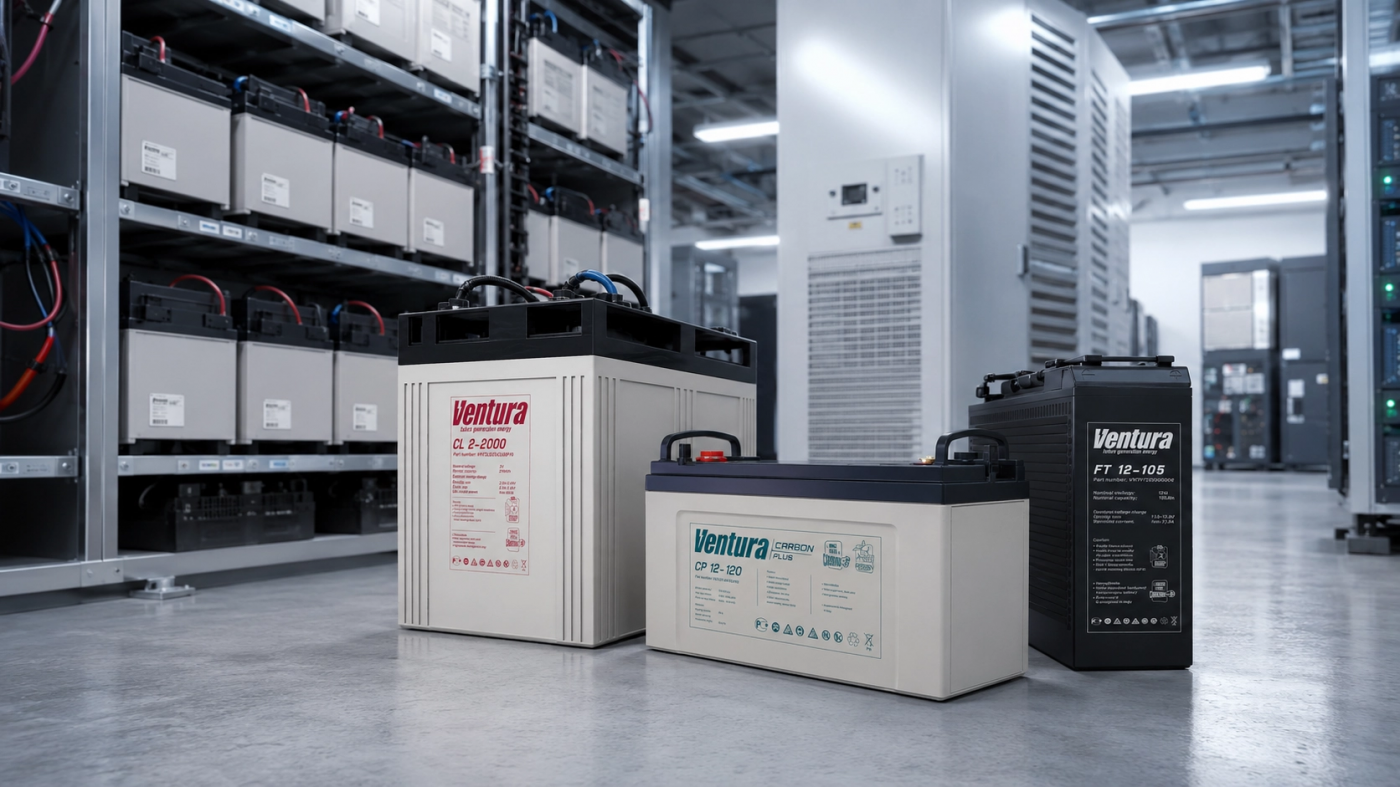
Stationary batteries are used where reliable uninterrupted power supply to equipment is required during temporary absence and unstable power supply. They are installed in UPS, communication facilities, energy, security systems and industrial sites. Unlike starter and traction batteries, such batteries are designed primarily for backup and buffer operation as part of stationary power supply systems.
What is a stationary battery?
Stationary battery — a direct current source designed for long-term operation in buffer or backup mode. Under normal conditions, it is connected to a charger or rectifier and kept charged. When external power disappears, it immediately takes over the load and provides power to the equipment for a specified time.
Structurally, such a battery is initially designed for a long service life, resistant to prolonged charge and operation as part of a larger system. It is not designed to deliver short-term, ultra-high currents like a starter battery, nor is it designed for continuous traction cycles like a traction battery. Its main task is to work reliably in standby mode and be guaranteed to start working in the event of an accident or network outage.
Types of stationary batteries
Stationary batteries are divided into several types depending on their chemical composition and design. The discharge mode, maintenance requirements, permissible temperature, shelf life and overall resource depend on this.
In practice, the following are most often used:
- lead-acid flooded batteries with liquid electrolyte;
- sealed lead-acid AGM batteries;
- sealed gel acid batteries type GEL;
- lithium-ion batteries, most often based on LiFePO₄.
If we talk about stationary systems in general, then it is lead-acid batteries that still remain the base for most objects. This is due to clear technology, predictable behavior in buffer mode and proven maintenance rules.
Installation of stationary batteries
The design of a stationary battery is determined by its chemical composition, but the basic elements are largely the same. Includes:
- frame;
- electrodes;
- separators;
- electrolyte;
- current leads;
- cover with terminals.
Depending on the type of battery, pressure control valves, plugs, gas recombination elements and other components may also be used.
Lead-acid batteries have positively and negatively charged plates inside the case, separated by separators. The space between them is filled with electrolyte. During discharge, chemical reactions occur, as a result of which the battery releases electrical energy to the external circuit. When charging, the process goes in the opposite direction. With AGM batteries, the electrolyte is retained in a fiberglass separator. For GEL batteries it is thickened to a gel-like state. In flooded models, the electrolyte remains liquid.
Lithium-ion stationary batteries have a different internal design. Instead of lead plates, electrochemical cells with a different set of active materials are used, and the operation of the battery is additionally controlled by an electronic control system. Such a system monitors voltage, current, temperature and provides protection against conditions that exceed permissible limits.
If a stationary system includes several batteries, they are combined into a common battery using intercell connections, terminal jumpers, racks or cabinets. Large circuits additionally use monitoring devices, temperature sensors, insulation monitoring devices and protection elements.
Features, advantages and disadvantages of stationary batteries
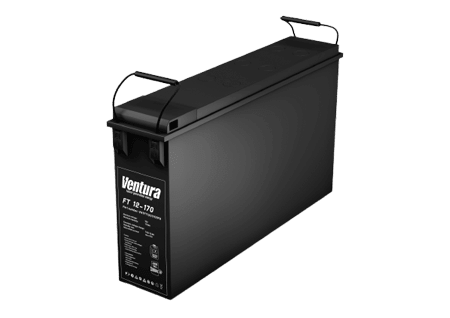
The main feature of stationary batteries is that they are designed to remain in reserve for a long time and immediately supply energy in the event of an emergency shutdown of the main power supply. That is why they are subject to more stringent requirements for reliability, stability of parameters and service life.
The main advantages of stationary batteries include:
- long-term operation in buffer mode;
- predictable electrical characteristics;
- wide selection of types and containers;
- the ability to build battery circuits for a specific task;
- ease of integration into UPS, communications and energy systems.
Sealed and lithium batteries have the added benefit of reduced regular maintenance requirements compared to classic flooded batteries.
At the same time, stationary batteries have limitations:
- lead-acid solutions are sensitive to temperature and the quality of the charging mode, and their weight and dimensions can be significant;
- flooded models require regular maintenance;
- Lithium-ion batteries are more expensive at the procurement stage and have higher requirements for compatibility with the control system and charging equipment.
In addition, for all stationary systems, compliance with operating conditions is critical: incorrect temperature, incorrect charging parameters and uneven operation of batteries within the battery significantly reduce the service life.
Requirements for stationary batteries
Stationary batteries are subject to requirements not only for electrical parameters, but also for reliability throughout their entire service life.
Such a battery should:
- ensure stable voltage and capacity;
- work correctly in buffer mode;
- be compatible with charging equipment;
- maintain the designed service life under specified temperature conditions.
Equally important are safety, ease of maintenance and the ability to control parameters within the system.
For large facilities, protection parameters, requirements for ventilation, fire safety, placement in battery rooms and monitoring the condition of individual batteries are additionally taken into account.
Scope of stationary batteries
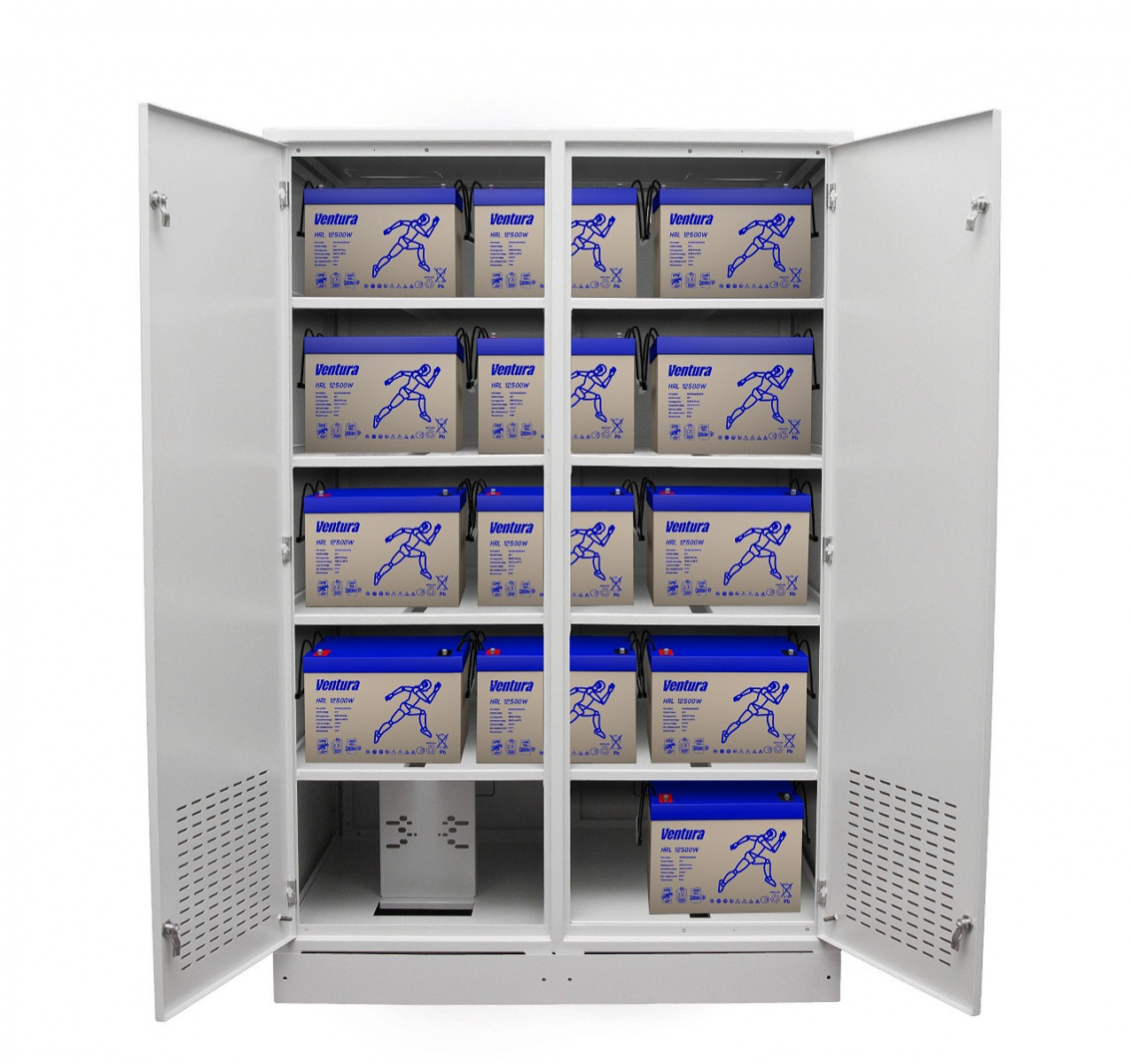
Stationary batteries are used in systems where reserve or constant readiness to supply energy is required. Most often they are used in:
- uninterruptible power systems;
- UPS for server and data centers;
- security and fire systems;
- medical and industrial equipment;
- emergency lighting and automation systems;
- energy;
- at communication facilities.
In all these cases, the battery operates as part of an overall system, and not as a stand-alone household power source.
Service life
The service life of stationary batteries depends on their type, operating temperature, charging mode and depth of discharge. This is one of the key parameters when choosing.
For sealed lead-acid batteries, the service life depends on the series, and can range from several to 10-12 or more years. For flooded stationary models, the period can also be significant, but it directly depends on the quality of service. Lithium-ion systems usually have a longer calendar and cyclic life, but here too the actual service life is determined by temperature, charging mode and operating conditions.
The battery life is most affected by:
- elevated temperature;
- inappropriate charge parameters.
Therefore, when assessing the service life, it is important to focus not only on the passport, but also on the actual operating conditions of the system.
Conclusion
Stationary batteries are a specialized solution for backup systems, where reliability, stable voltage and long service life are especially important. When choosing, it is necessary to take into account not only the capacity, but also the type of battery, its design, permissible current, temperature conditions, installation rules, storage and features of further operation of the batteries. Only this approach allows you to obtain predictable battery operation and preserve its resource throughout the entire estimated period.
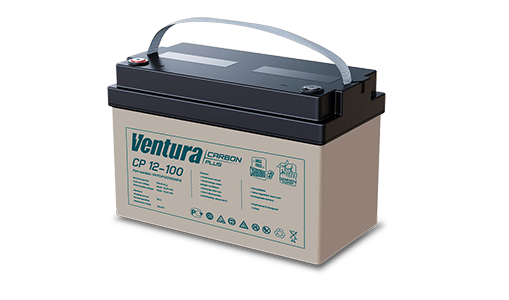
CP (Carbon Plus)
Learn more
CP
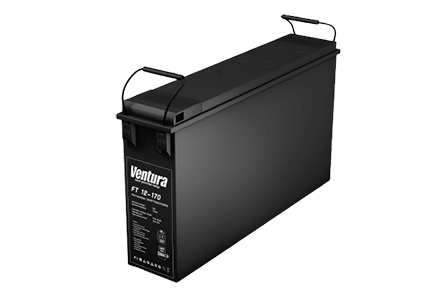
FT (Front Terminal)
Learn more
FT
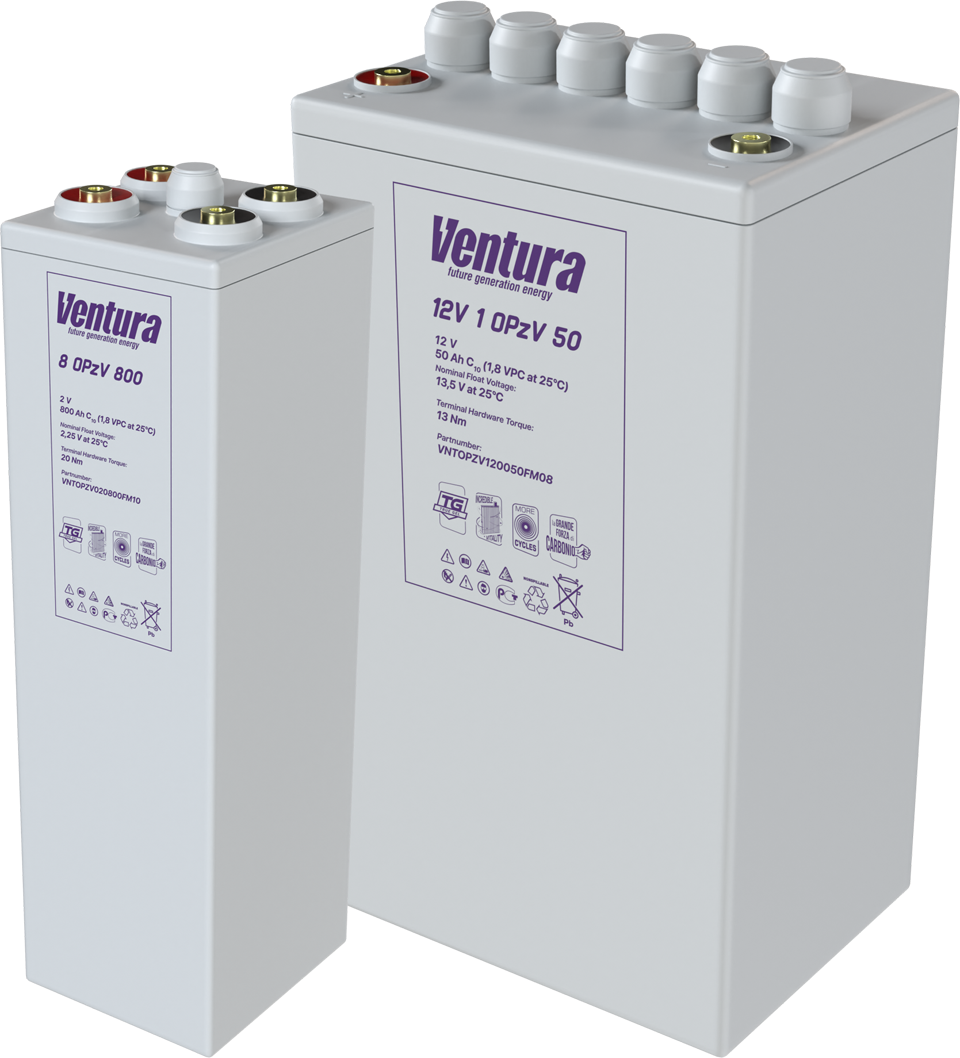
OPzV
Learn more
OP zV
VG (Gel Viscoso)
Learn more
VG