Energy storage systems: what they are, why they are needed, and how they work


 3 min read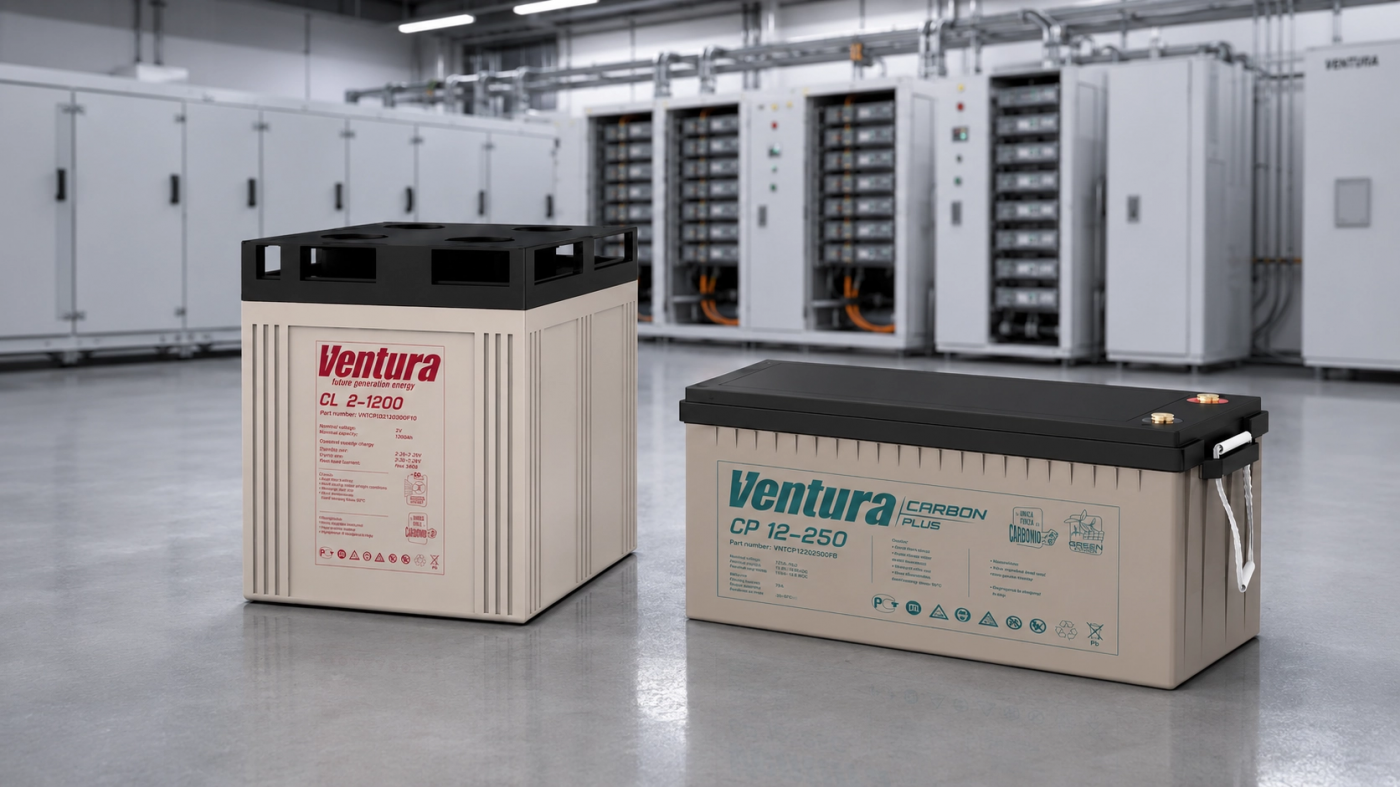
The growth of distributed generation, requirements for the quality of power supply and the need to manage the load have made energy storage systems one of the key elements of modern energy. Today, such solutions are used not only at large industrial facilities, but also in commercial buildings, private homes, telecom infrastructure and transport systems. In the article we analyze what energy storage systems are, what types are used in practice, for what tasks they are needed and by what criteria to choose them.
What are energy storage systems
Energy storage system An energy storage system (ESS) is a set of equipment that receives and stores electricity, then supplies it to the grid or a connected load when needed. It is not simply a battery, but a complete engineered system that manages charging, discharging, and power distribution. An ESS is therefore more advanced than a basic UPS and battery combination: it can provide backup power and actively manage the power supplied to connected equipment.
A standard ESS includes:
- storage module;
- power electronics;
- control system;
- protective equipment;
- monitoring;
- climate control.
The accumulation of energy in the system is necessary in order to separate in time the moment of generation and the moment of consumption. When there is enough electricity in the system, it can be used for energy storage. When a load peak occurs or the external source disappears, the drive gives back the reserve.
Types of Energy Storage Systems
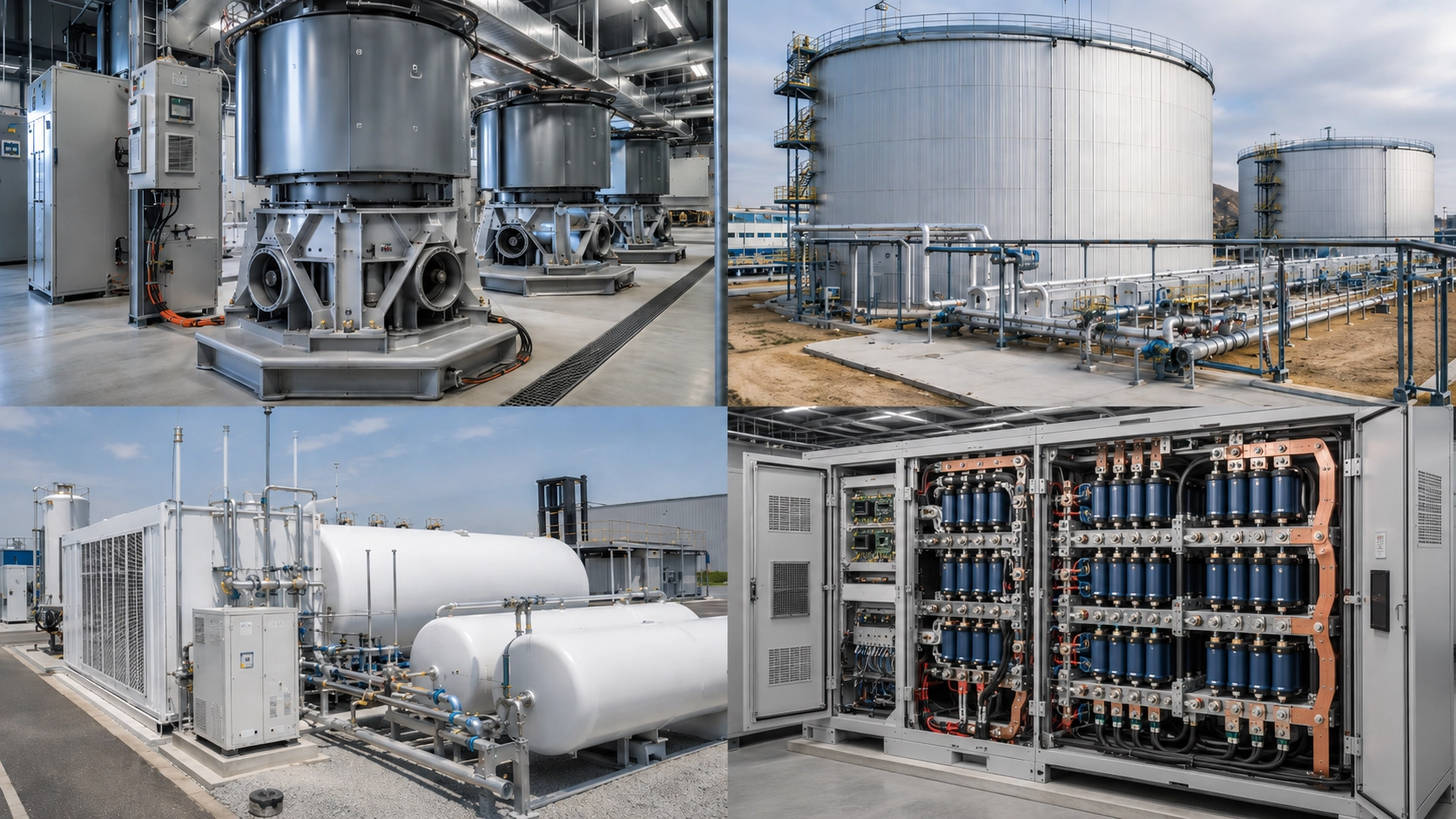
The type of energy storage system is determined by the form in which the energy is stored and for what operating modes the solution is intended. In practice, several main classes are used.
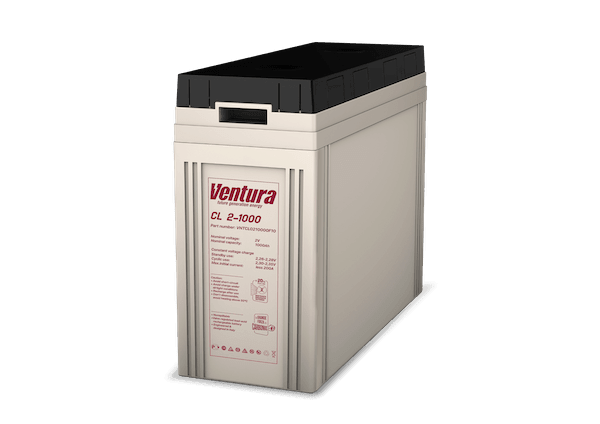
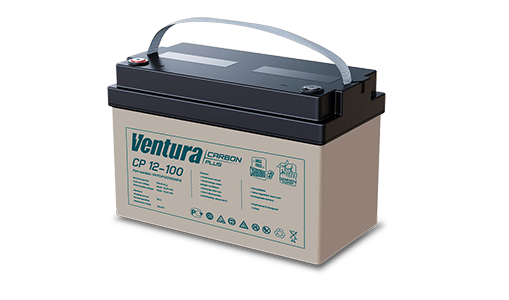
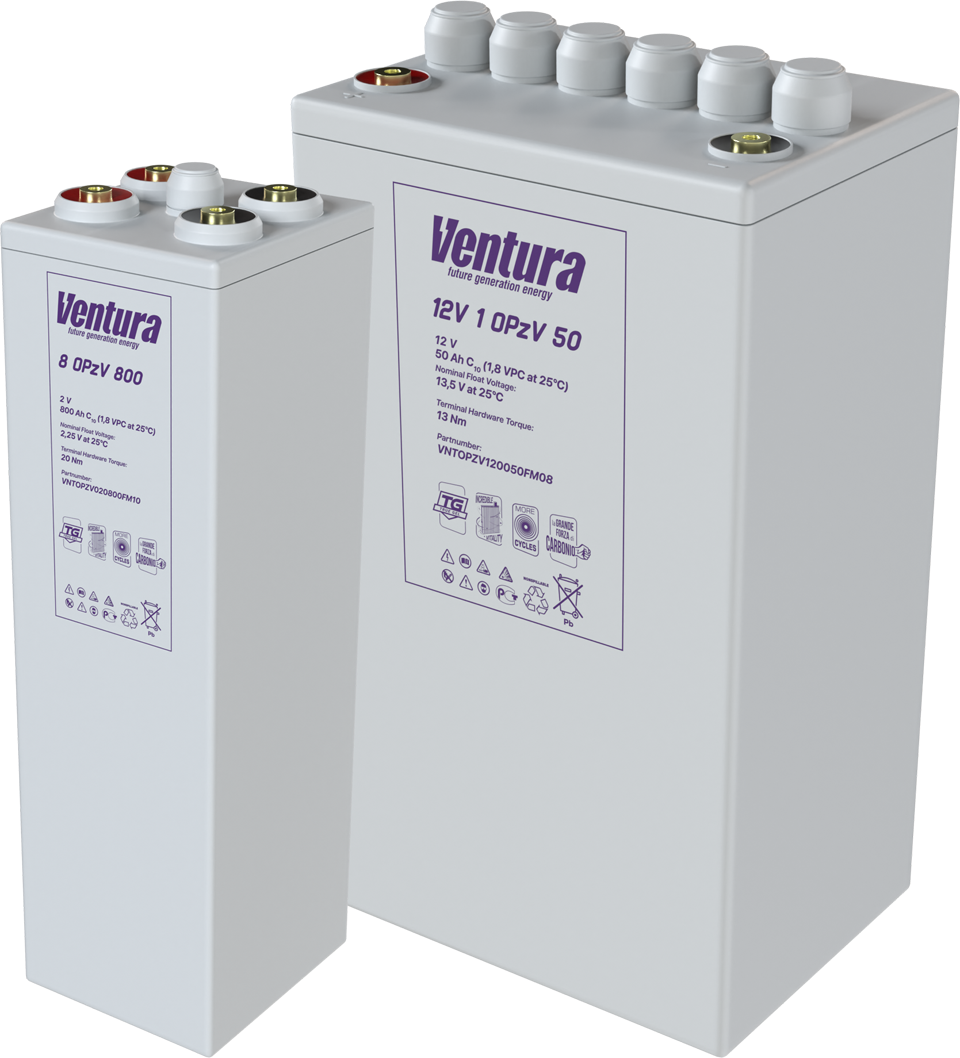
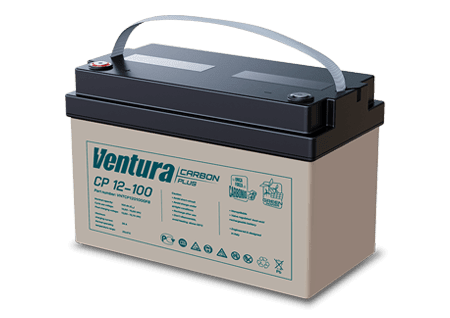
The most common option is electrochemical systems, that is, battery storage. They dominate stationary projects today due to their compactness, fast response and ease of scaling. Within this class, lithium-ion solutions are most often used, including LiFePO₄, as well as lead-acid batteries for a number of backup and budget applications.
In addition to battery systems, there are other types:
- mechanical systems - energy is stored in the form of kinetic or potential;
- thermal systems - energy storage in the form of heat is implemented;
- hydrogen and other chemical solutions - energy passes through the stage of conversion into fuel;
- supercapacitors - designed for rapid charge and discharge, but not for long-term storage.
In the domestic, commercial and industrial segments, the term SES most often refers to a battery system with an inverter, a control cabinet and software control.
Why energy storage systems are needed and where they are used
There are several reasons why energy storage systems are being implemented. All scenarios are based on one task: to ensure controlled accumulation and distribution of electricity where it is economically or technologically justified.
Common ESS applications:
- power backup when the external network is disconnected;
- smoothing out load peaks;
- improving the quality of power supply;
- work together with solar power plants and other distributed generation;
- transfer of electricity consumption from expensive periods to cheap ones;
- support for autonomous and isolated objects;
- participation in power and frequency regulation in power systems.
For a private user, an energy storage system usually provides power backup for the home and more efficient operation of solar generation. For business and industry - a tool for managing power, reducing network infrastructure costs and increasing reliability.
Advantages and disadvantages of energy storage systems
Before implementing ETS, it is important to understand not only the strengths, but also the limitations. The main advantages provided by energy storage systems include:
- the ability to use electricity at the right time, and not just at the time of generation;
- increasing the reliability of power supply;
- reducing the load on the external network during peak consumption hours;
- integration with renewable sources;
- fast scaling in power and capacity;
- automation of charge, discharge and energy storage modes.
It is also necessary to take into account the disadvantages:
- high cost of the project at the stage of procurement and implementation;
- limited service life of storage modules;
- dependence of the resource on temperature, depth of discharge and operating modes;
- the need for design, protection and service support;
- energy losses during conversion and cycling.
Thus, an energy storage system is only effective when its parameters are suitable for the task. An error in selection makes the project either too expensive or not useful enough.
How to choose an ESS for your requirements
The choice begins not with the technology, but with the statement of the problem. First, they determine what exactly the storage system is needed for: for emergency reserve, work with a solar station, limiting peak power or complete autonomy. After this, 5 key parameters are assessed:
- required power;
- required capacity;
- battery life;
- number of cycles over the entire service life;
- conditions of placement and operation.
The system requirements are specified below:
- what kind of inverter is needed;
- what is the permissible voltage range;
- whether integration with a generator or solar station is required;
- Is remote monitoring needed?
- What are the fire safety and climate requirements?
If we are talking about a domestic or commercial facility, it is also important to assess the economic feasibility: what benefits will energy storage provide, how justified is storage in terms of tariff, outage time and reservation price. In industry, this is added to even higher requirements for reliability, taking into account the features of monitoring with the participation of a dispatcher and compatibility with the existing power supply circuit.
Conclusion
Energy storage systems are an effective power management tool. They provide an energy reserve, improve power supply resilience, make generation more efficient, and help manage consumption. The right ESS depends on the intended purpose, operating profile, and site requirements. The more precisely these requirements are defined, the more effectively the system will operate and the greater its practical value will be.